
The Santa Barbara Museum of Natural History is one of the leading museums for science, wildlife and natural history in California's Central Coast. Located along Mission Creek in Santa Barbara, the museum combines indoor exhibits, scientific collections, outdoor spaces and educational experiences that explore the natural world of the Santa Barbara region and beyond.
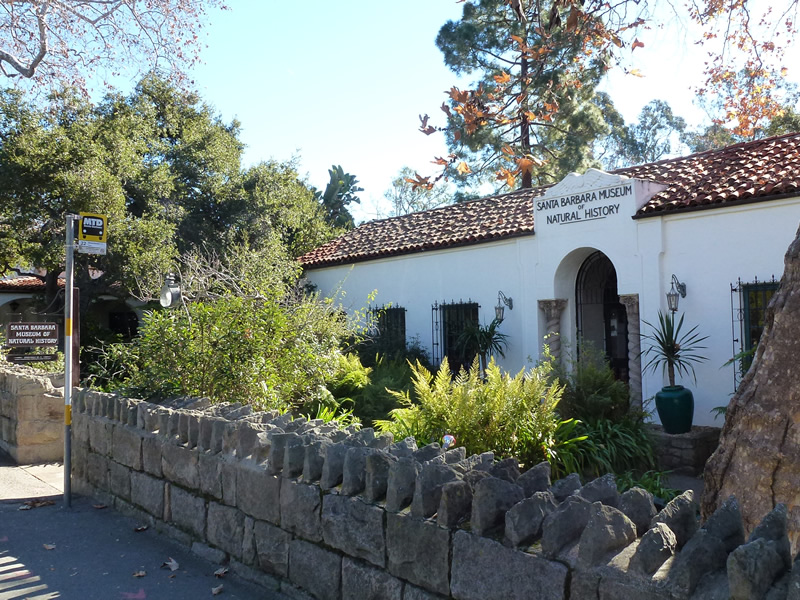 Photo: Jllm06 / Wikimedia Commons / CC BY-SA 3.0 / Modified size from original
From dinosaurs and mammals to birds, minerals, marine life and astronomy, the museum offers something for visitors with a wide range of interests. Its 17-acre campus also provides an opportunity to explore nature outside the traditional museum setting.
For families, visitors to Santa Barbara and residents throughout California's 805 region, the Santa Barbara Museum of Natural History is an educational attraction worth exploring.
About the Santa Barbara Museum of Natural History
The Santa Barbara Museum of Natural History was founded in 1916 by ornithologist William Leon Dawson as the Museum of Comparative Oology. Oology is the study of bird eggs, and the institution's original collection focused on bird eggs, nests and skins.
The organization eventually expanded into a much broader natural history museum. In 1922, the Santa Barbara Museum of Natural History opened its doors at its current Mission Creek campus. The museum has continued to expand its collections, research programs, educational activities and public exhibits over the decades.
Today, the museum has approximately 3.5 million natural history specimens covering subjects that include mammals, birds, marine life, geology, astronomy, paleontology and anthropology. The campus encompasses 17 acres of oak woodland along Mission Creek.
What to See at the Santa Barbara Museum of Natural History
The museum features a wide variety of permanent and changing exhibits. Visitors can learn about the animals and environments of the Santa Barbara region while also exploring subjects such as dinosaurs, minerals, astronomy and marine science.
Mammal Hall
Mammal Hall explores the diversity of mammals found throughout the Santa Barbara region. Displays introduce visitors to local species and the habitats where they live.
The exhibit is part of the museum's broader focus on understanding the wildlife of the Central Coast and the ecosystems that support it.
Bird Hall
Birds have played an important role in the history of the Santa Barbara Museum of Natural History since its founding as a museum of comparative oology.
Bird Hall includes exhibits focusing on regional bird diversity and habitats. The museum's scientific bird collections have also become an important research resource, including extensive specimens from the Channel Islands and other parts of North America.
Prehistoric Forest
The Prehistoric Forest takes visitors into the world of dinosaurs and other prehistoric animals. It provides an introduction to life during Earth's distant past and is particularly appealing to children and dinosaur enthusiasts.
The museum also presents changing dinosaur-related exhibitions. For example, Dinorama is scheduled to run from October 17, 2026, through March 14, 2027.
Earth & Marine Sciences
The Earth & Marine Sciences exhibits explore the geological and marine history of the region. One of the museum's notable specimens is a pygmy mammoth skeleton, while another is a giant squid.
The museum's earth science collections also include fossils from Santa Barbara, Ventura and San Luis Obispo Counties, as well as specimens associated with Channel Islands National Park.
Minerals
The Minerals exhibit provides an introduction to rocks and crystals and demonstrates how geological processes have shaped the planet. The collection includes specimens from the Santa Barbara region as well as material from other locations.
Santa Barbara Gallery
The Santa Barbara Gallery focuses on the ecology and natural history of the region. It is a useful stop for visitors who want to better understand the landscapes and ecosystems surrounding Santa Barbara.
The exhibit helps connect the museum experience with the natural environment visitors can encounter throughout Santa Barbara County, from the mountains to the coast and offshore islands.
Blue Whale Skeleton
One of the most impressive objects at the museum is its 74-foot-long blue whale skeleton. The museum calls the specimen Chad.
The enormous skeleton provides visitors with a dramatic perspective on the size of a blue whale and the marine environment that is an important part of Santa Barbara's natural history.
Gladwin Planetarium
The Gladwin Planetarium provides an immersive astronomy experience within the museum. Programs explore subjects related to astronomy and space science and can include full-dome presentations and interactive programs.
Planetarium programs are included with museum admission. Seating is limited and visitors should check the current schedule and arrival instructions before attending a show.
The museum's Space Sciences exhibits also explore astronomy and the solar system, making the planetarium a natural addition for visitors interested in space.
Sprague Butterfly Pavilion
The Sprague Butterfly Pavilion is a seasonal attraction at the museum. During Butterflies Alive!, visitors can enter an enclosed garden environment containing live tropical butterflies.
The 2026 Butterflies Alive! season ended September 7, 2026. The special exhibition required a $3 ticket in addition to regular museum admission, with admission free for museum members.
Because the butterfly exhibition is seasonal, visitors should check the museum's current exhibition calendar when planning a trip. The pavilion may not be operating as a live-butterfly attraction outside the scheduled season.
Chumash Culture and the Sukinanik'oy Garden
The museum includes the Sukinanik'oy Garden of Chumash Plants, an outdoor area featuring plants that have been important in Chumash culture.
The garden provides visitors with an opportunity to learn about the relationship between plants, people and the environment in the Santa Barbara region. It is one part of the museum's broader exploration of the natural and cultural history of the Central Coast.
Outdoor Areas and Museum Backyard
The museum experience extends beyond the indoor galleries. Its 17-acre property includes oak woodland along Mission Creek as well as outdoor areas where visitors can experience nature.
The Museum Backyard is designed as an outdoor learning and nature-play area. Other outdoor areas include gardens and spaces on the south side of Mission Creek, providing additional opportunities to explore the museum campus.
Visitors should allow additional time if they plan to explore both the indoor exhibits and outdoor portions of the property.
Santa Barbara Museum of Natural History Sea Center
The Santa Barbara Museum of Natural History also operates the Sea Center on Stearns Wharf. Located on the Santa Barbara waterfront, the Sea Center focuses specifically on the marine environment of the Santa Barbara Channel.
The Sea Center opened in 1986 and provides hands-on opportunities to learn about local marine life. Exhibits include Shark Cove, Intertidal Wonders, Dive In: Our Changing Channel and the Wet Deck.
Visitors can see marine animals and learn about the ecosystems of the Santa Barbara Channel. The facility also includes exhibits featuring jellyfish, a California two-spot octopus and other animals found in nearby waters.
The Sea Center is a separate location from the main museum, so visitors should plan accordingly if they want to experience both attractions.
Santa Barbara Museum of Natural History Hours
The Santa Barbara Museum of Natural History is currently open daily from 10:00 a.m. to 5:00 p.m. The museum notes that special hours and exhibit openings or closures can occur.
The Sea Center is also currently open daily from 10:00 a.m. to 5:00 p.m., with special hours and holiday closures possible.
Because hours can change for holidays, special events and other circumstances, visitors should verify the current schedule before making a trip.
Santa Barbara Museum of Natural History Admission
Current museum admission prices are:
Adults ages 18–64: $20
Seniors age 65 and older: $17
Teens ages 13–17: $17
Children ages 2–12: $15
Children under age 2: Free
Museum members: Free
Visitors using the Museums for All program can receive admission for $5 per person by presenting a valid SNAP/CalFresh EBT card and photo identification. The discount is available for up to four people.
The Sea Center has separate admission prices: $17 for adults ages 18–64, $15 for seniors and teens, and $13 for children ages 2–12. Children under 2 and museum members are admitted free.
Special exhibitions can have additional fees. Butterflies Alive!, for example, required a $3 ticket in addition to regular museum admission during its 2026 season.
Where Is the Santa Barbara Museum of Natural History?
The Santa Barbara Museum of Natural History is located at:
2559 Puesta del Sol, Santa Barbara, CA 93105
The museum's main telephone number is 805-682-4711.
The Santa Barbara Museum of Natural History Sea Center is located at:
211 Stearns Wharf, Santa Barbara, CA 93101
The Sea Center's telephone number is 805-962-2526.
How Long Does It Take to Visit?
A visit to the museum can easily take several hours, depending on how many exhibits and outdoor areas you want to explore.
Visitors making a shorter trip can concentrate on the main galleries and highlights such as the blue whale skeleton, Prehistoric Forest and Space Sciences exhibits. Families with children or visitors attending a planetarium program may want to allow additional time.
If you also want to visit the Sea Center on Stearns Wharf, plan it as a separate stop because it is located away from the main museum campus.
Is the Santa Barbara Museum of Natural History Good for Families?
The museum offers numerous exhibits that can appeal to children and families, including dinosaurs, mammals, birds, marine life, minerals and astronomy. The outdoor Museum Backyard and nature areas also provide opportunities for children to explore outside the traditional gallery environment.
Families should check the museum's current calendar for educational programs, special exhibitions and other activities that may be taking place during their visit.
Tips for Visiting the Museum
Check the museum's official website before visiting to confirm current hours, admission prices and exhibit availability.
If you are particularly interested in the planetarium, check the schedule before arriving because programs operate at specific times and seating is limited.
For seasonal attractions such as Butterflies Alive!, verify the operating dates before making plans. Seasonal exhibits can have additional admission requirements.
Wear comfortable shoes if you plan to explore the museum's outdoor areas as well as the galleries.
If you want to visit both the main museum and the Sea Center, remember that they are separate locations. The Sea Center is located on Stearns Wharf near Santa Barbara's waterfront.
Why Visit the Santa Barbara Museum of Natural History?
The Santa Barbara Museum of Natural History provides an opportunity to learn about the natural world while focusing particular attention on the Central Coast and Santa Barbara region.
Its collections encompass approximately 3.5 million specimens, while the public exhibits cover subjects ranging from wildlife and geology to dinosaurs, marine science and astronomy. The 17-acre campus adds an outdoor component that allows visitors to experience the natural environment surrounding the museum.
The museum's long history also makes it an important part of Santa Barbara's cultural and scientific community. What began in 1916 as a collection centered on bird eggs has developed into a major natural history institution with research collections, exhibitions, educational programs and the separate Sea Center on Stearns Wharf.
Santa Barbara Museum of Natural History Visitor Information
Museum Address: 2559 Puesta del Sol, Santa Barbara, CA 93105
Museum Hours: 10:00 a.m. to 5:00 p.m. daily, subject to special hours
Museum Phone: 805-682-4711
Sea Center Address: 211 Stearns Wharf, Santa Barbara, CA 93101
Sea Center Hours: 10:00 a.m. to 5:00 p.m. daily, subject to special hours
Sea Center Phone: 805-962-2526
Admission prices, hours, exhibitions and special programs can change. Check the museum's official visitor information before your trip.
Explore More of California's 805 Region
The Santa Barbara Museum of Natural History is one of many attractions to explore in Santa Barbara County and throughout California's 805 region.
From Santa Barbara's beaches and historic sites to museums, restaurants, outdoor recreation, events and local communities, In 805 is your guide to California's 805 region, covering Ventura, Santa Barbara and San Luis Obispo Counties.
Published September 29, 2026, In 805 Media (in805.com)